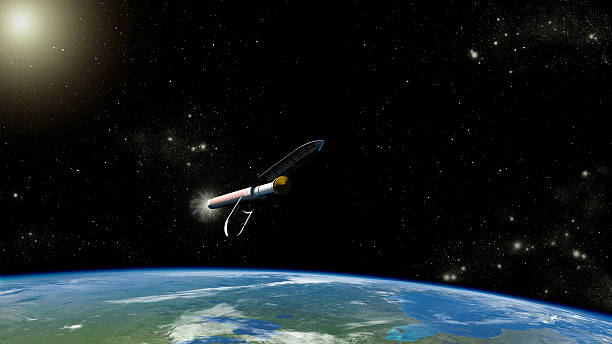
Svetlana Savitskaya first woman to spacewalk
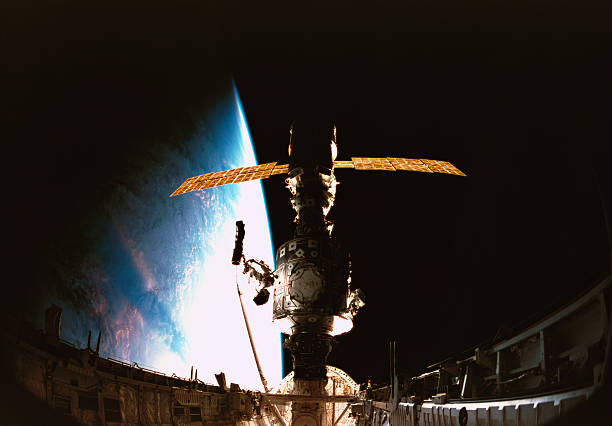
Savitskaya was not the first woman in space—that was Valentina Tereshkova in 1963—but Tereshkova’s mission was largely symbolic, a Cold War propaganda move. Savitskaya, by contrast, was a working engineer and a competitive pilot. She came from a family of aviators, and by the time she entered the Soviet space program, she already held world records in aerobatics. She wasn’t there to smile for cameras. She was there to weld, cut, and test equipment in the most hostile environment humans have ever worked in. That spacewalk—lasting three hours and 35 minutes—involved operating a hand-held electron beam gun to cut and weld metal samples. She proved that a woman could handle the physical and mental demands of extravehicular activity, a feat that NASA would not replicate until Kathryn Sullivan’s spacewalk later that same year, and even that happened only after the Soviets had already done it.
But Savitskaya’s story isn’t just about being first. It’s about humans doing hard things in the most unforgiving workplace imaginable. The spacewalk itself was not a pleasure cruise. Salyut 7 had suffered a fuel line leak, and the station was in rough shape. Savitskaya and her commander, Vladimir Dzhanibekov, had to inspect and test repair techniques. She worked in a bulky Soviet spacesuit, designed for function over comfort, and she did it while floating in a vacuum where one mistake means you’re dead. There was no Instagram footage, no live global broadcast. It was just a Soviet woman, a welding gun, and the black of space. That’s the kind of quiet badassery that deserves respect, not because of her gender, but because of her skill.
Why should a 20-something American guy care about this today? Because the future of space travel isn’t about flags and photo ops anymore. It’s about real human labor in orbit, on the Moon, and eventually on Mars. Companies like SpaceX, Blue Origin, and NASA are planning stations, mining operations, and interplanetary missions that will require people to work outside vehicles for hours at a time. Savitskaya’s spacewalk proved that the human body and mind can handle that work, regardless of gender. When you’re repairing a solar array on a lunar habitat or welding a truss on a Mars transit ship, you don’t have the luxury of caring about who the astronaut is. You care about whether they can do the job. Savitskaya did it, and she did it under Soviet conditions that made modern NASA look like a luxury resort.
There’s also a lesson here about how history treats its real pioneers. For decades, American space media focused on the Apollo astronauts and the shuttle crews. Savitskaya was often reduced to a sentence in a Cold War timeline. But as we enter a new era of commercial spaceflight, where astronauts are not just government employees but also engineers and private citizens, her example becomes more relevant. She wasn’t a politician or a celebrity. She was a pilot who earned her place through skill and endurance. That’s the kind of human story that fits perfectly under a subsection called “Women Who Crushed the Space Game,” because she didn’t just participate. She crushed the job and made it look routine.
So when you’re scrolling through SpacePilgrim.com and you see the latest news about Artemis missions or Starship testing, remember the name Svetlana Savitskaya. She didn’t walk in space for a headline. She did it because that’s what humans do when they’re good enough. And in a field where every second outside a vehicle is a fight against death, that’s the only metric that matters.
Space News
Latest Articles
New rockets, upcoming launches, and the stories shaping humanity's push off this planet. No astronomy degree required.