Telemedicine and the communication delay limitation
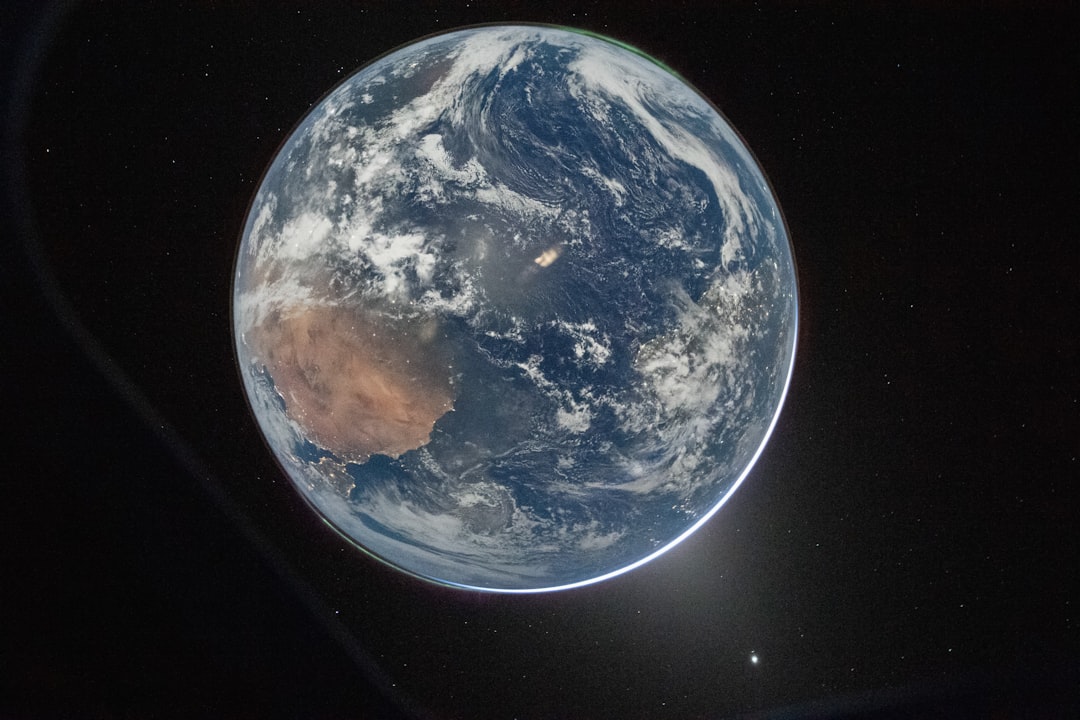
Telemedicine on Earth works because signals move at nearly the speed of light, and doctors are usually a video call away. In low Earth orbit, where the International Space Station currently operates, communication is delayed by only a few seconds. That’s manageable. You can still have a real-time conversation, a doctor can guide an astronaut through stitching a wound, and ground control can monitor heart rates without significant lag. But the moment you leave Earth’s orbit, that grace period vanishes. Mars, at its closest approach to Earth, is about 55 million kilometers away. Even a radio signal traveling at the speed of light takes roughly four to twenty-four minutes to make the one-way trip. That means a round-trip conversation takes between eight and forty-eight minutes. You cannot video chat with a surgeon when every question and every response has a half-hour gap. You cannot run a real-time ultrasound when the doctor’s instructions arrive long after your patient has already passed out.
The limitation is not just about conversation. It’s about diagnosis. On Earth, a doctor can watch your pupil react to light, palpate your abdomen, and ask you to describe pain in real time. In deep space, all that information has to be pre-recorded, compressed, and sent on a one-way trip. Then the astronaut waits for a reply that may suggest a completely different course of action based on new symptoms that have since developed. By the time the doctor says “apply pressure to the wound,” the wound may have already clotted or worsened. This communication delay turns every medical event into a gamble. If your appendix ruptures during a Mars transit, there is no surgeon on call. There is only you and a crewmate who maybe watched a few YouTube videos on emergency surgery before launch.
The solution, as far as current space medicine understands, is not better antennas or faster data compression. Physics is the boss. The only way to beat the delay is to make astronauts medically autonomous. That doesn’t mean turning every crew member into a board-certified doctor in six months. It means developing AI-assisted diagnostic tools that can analyze symptoms, suggest treatments, and even perform surgical procedures without waiting for Houston to weigh in. It means carrying advanced medical equipment that can handle everything from dental abscesses to cardiac arrest. It means accepting that a mission to Mars will have a mortality risk from medical emergencies that is orders of magnitude higher than any prior human spaceflight.
This is where the concept of the hospital void comes in. Between Earth and Mars, there are no medevacs, no airlifts, no urgent care centers. There is only the metal hull of your ship and whatever you brought with you. The communication delay ensures that ground control is not a safety net but a slow-moving advisor. NASA and SpaceX have poured billions into propulsion, life support, and radiation shielding, but the medical autonomy problem remains stubbornly under-funded and under-communicated to the public. We talk about growing lettuce on Mars but not about what happens when a crew member develops a kidney stone the size of a marble halfway through a nine-month voyage. That kind of pain can incapacitate a person. With a twenty-minute communication delay, you cannot even get a painkiller prescription filled fast enough to matter.
The bottom line is simple: space travel beyond low Earth orbit will require a fundamental shift in how we think about medicine. Telemedicine becomes less of a tool and more of a historical footnote. The future of space medicine is not faster internet; it’s smarter, more resilient humans equipped with machines that can think, diagnose, and act in the absence of Earth’s voice. Until we solve that, the dream of Mars remains a dream that could turn into a very quiet, very cold morgue.
Space News
Latest Articles
New rockets, upcoming launches, and the stories shaping humanity's push off this planet. No astronomy degree required.