The Asteroid Belt Is a Gas Station, Hardware Store, and Gold Mine
Water is the first resource that matters. Not because astronauts drink it, though they do. Water is hydrogen and oxygen. Split it with electricity and you get rocket propellant. Liquid hydrogen and liquid oxygen are the same stuff that powers heavy-lift rockets. If you can park a water-rich asteroid in a stable orbit, or mine ice on one, you can turn it into a refueling depot. A spacecraft launched from Earth could carry less fuel, meet the depot, fill up, and go farther. That means more payload and lower cost. The same water can support life support, radiation shielding, and agriculture. In space, water is not a drink. It’s currency.
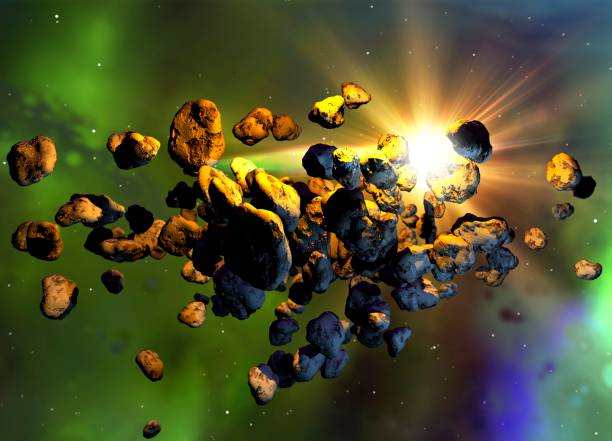
Not all asteroids are the same. Carbonaceous asteroids contain water ice, carbon, and organic compounds. They are dark, primitive, and loaded with the stuff you need for life and fuel. Silicaceous asteroids are rocky and contain silicates and some metals. Metallic asteroids, called M-types, are mostly iron and nickel with platinum-group metals mixed in. A single metallic asteroid could contain more platinum than has ever been mined on Earth. But platinum is not the first thing you should chase. Bringing it back to Earth would crash the market and cost a fortune in fuel. The smart play is to use metal in space. Iron and nickel can become beams, panels, shielding, and tools. You can 3D print structures from refined metal. Instead of launching a habitat, you build it from asteroid material.
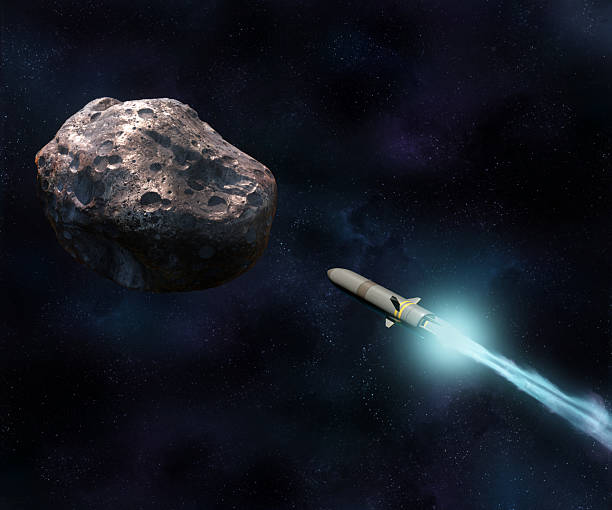
The hard part is mining. Asteroids have almost no gravity. You can’t drill into rock the way you do on Earth. A robot that pushes down will push itself away. You need anchors, harpoons, or a cage around the whole asteroid. Communications delay means you can’t joystick a drill from Houston. The robot has to think for itself. Extraction is another problem. Heating icy regolith to release water vapor works in a lab. Doing it in vacuum, with no gravity, on a spinning rock, is a different beast. Then you need to store and transport the products. That is why nobody has made money yet.
But the technology is coming. Hayabusa2 and OSIRIS-REx brought back samples from asteroids. Psyche is on its way to a metal-rich world. Those are science missions, but they prove navigation and sampling. Private companies tried asteroid mining early and failed because the market was not ready. Launch costs were too high, robotics were not good enough, and there were no customers in space. Now launch costs are falling. NASA and commercial stations want supplies. The first customer for asteroid water might be a government depot or a fuel station in low Earth orbit. The first customer for asteroid metal might be a company building solar arrays or habitats.
Law is a mess. The Outer Space Treaty says no nation can claim a celestial body. But the United States passed a law allowing companies to own resources they extract. Other countries are doing the same. Nobody knows how enforcement works. That uncertainty slows investment. It also creates opportunity. The country or company that figures out a clear, workable framework will have an edge.
The asteroid belt is not a weekend trip. It is a long-term play. Prospecting missions might happen in the 2030s. Water mining could start in the 2040s. But the payoff is not just a few rich guys with platinum. The payoff is a space economy that can build, fuel, and repair itself without dragging everything up from Earth. That is the difference between visiting space and living there. The rocks are not just rocks. They are the supply chain for everything that comes next.
Space News
Latest Articles
New rockets, upcoming launches, and the stories shaping humanity's push off this planet. No astronomy degree required.