The FAA wings program shutdown and fallout
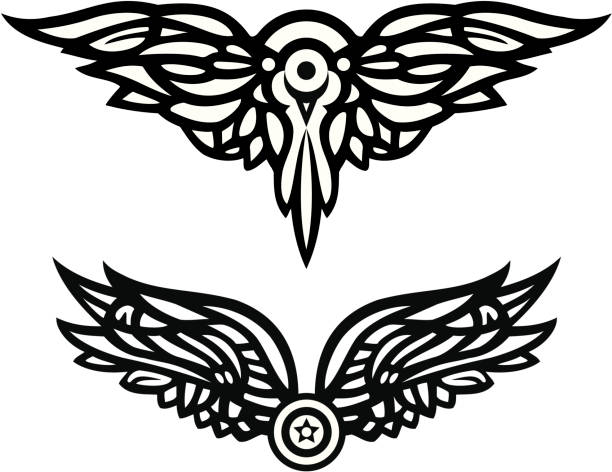
The wings program, born in 2004 and updated years later, was never meant to set a high bar. It was a simple recognition: you flew on a commercially licensed vehicle, you went to space, you got a pin. No grueling training checklist, no flight test board, no peer review of your G-tolerance. Just a seat and a ride. That was fine when the entire commercial astronaut corps fit in a single room—Richard Branson, Jeff Bezos, a handful of Virgin Galactic and Blue Origin pilots. But by 2023, the FAA had handed out wings to over 30 people. And that’s where the trouble started.
The program’s collapse wasn’t dramatic. No scandal, no congressional hearing. The FAA simply said it no longer fit the agency’s mission as a safety regulator. They didn’t want to be in the business of validating who counts as an astronaut. They wanted to focus on licensing rockets and protecting people on the ground. On paper, that’s reasonable. The FAA has no business running a spaceflight credentialing system. But the real consequence of that decision is a vacuum—and humans are already filling it in messy, competitive ways.
Here’s the human problem. The people who earned wings under the old system—like the crew of Inspiration4, or the pilots on Virgin Galactic’s Unity flights—hold a genuine credential that no one else can get after 2024. That creates a class divide in the astronaut community. You have the “legacy” commercial astronauts who can walk into a conference or a media interview and flash a government-issued achievement. And then you have everyone who rides after the shutdown, who will be told by journalists, sponsors, and even their own families: “So you’re not actually an astronaut, right?” That’s not just a PR headache. It’s a real erosion of status for people who strapped into a rocket and accepted the same physical risk that the previous group did.
For the casual space enthusiast—the guy in his 20s who dreams of saving up for a suborbital ticket or maybe working at a launch company—this matters more than you think. The FAA’s withdrawal signals that the government is done defining what a commercial astronaut is. That means the private sector will do it instead. SpaceX already has its own internal training and certification. Blue Origin has its own mission commander badges. Virgin Galactic has its own astronaut seal. In the absence of a universal standard, the definition of “astronaut” becomes a marketing tool. The person who flies the highest, the longest, or the flashiest gets the title, while someone on a shorter trajectory gets labeled a “space tourist” even if they completed the same safety training.
The fallout also hits the workforce. Right now, companies like Axiom Space, Sierra Space, and Blue Origin are hiring pilots and mission specialists. They need people who can operate in microgravity, handle emergencies, and follow procedures under pressure. Without a clear government-backed milestone for what makes a qualified commercial astronaut, companies must build their own pipelines from scratch. That slows everything down. It makes hiring less transparent. It makes it harder for a young engineer or pilot to understand what steps they need to take to become the kind of person who gets strapped into a Crew Dragon or Starliner. The wings program, clumsy as it was, at least gave people a target. Now the target is whatever your employer wants it to be.
There’s also a psychological angle that’s easy to overlook. The people who earned wings under the old system weren’t just proud of the patch. They were proud of the validation. They went through the same basic physical and regulatory hurdles that every other American in space faced, and the government said, “You’re one of us.” That recognition matters when you’ve just fired your ass off the planet on a vehicle that didn’t exist a decade ago. Removing that recognition doesn’t make the flights safer or the people less capable. It just makes the whole endeavor feel a little less official, a little more like a rich person’s hobby. That’s a dangerous perception to let take hold, because the commercial space industry needs public trust and institutional credibility to survive the next wave of accidents or failures.
The bottom line is that the FAA wings program shutdown didn’t just cancel a badge. It highlighted a fundamental truth about this era: the people who go to space now are navigating a system that was never designed for them. The government is stepping back. The companies are stepping forward. And the individuals are left to figure out whether they belong to something bigger than a payroll. If you’re a 20-something American watching this from your couch, you should understand that the next time someone asks if commercial astronauts are “real astronauts,” you’re not asking a technical question. You’re asking a cultural one. And the answer, right now, is being written by the humans who climb into the rocket and prove it for themselves.
Space News
Latest Articles
New rockets, upcoming launches, and the stories shaping humanity's push off this planet. No astronomy degree required.