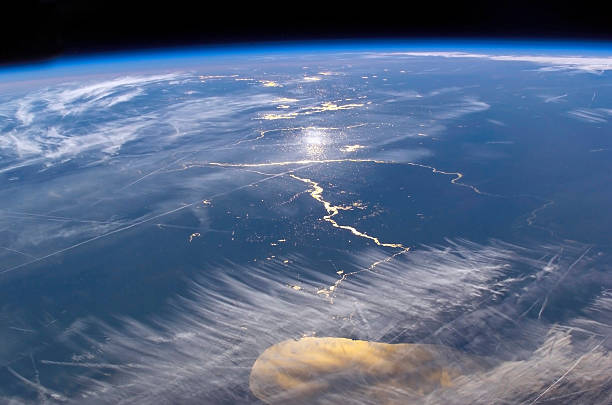
Titan and the methane lakes surface image
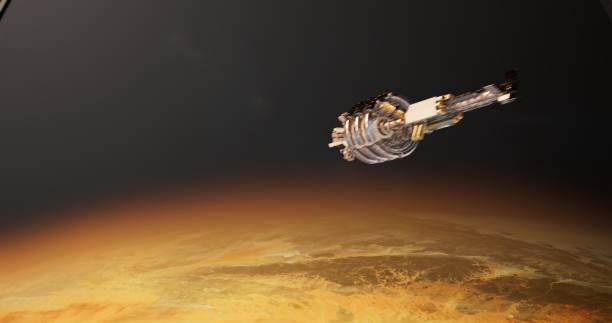
First, let’s talk scale. Titan is huge—bigger than Mercury. It has a thick, hazy atmosphere of nitrogen and methane that wraps the moon in a perpetual orange smog. That atmosphere is what keeps Titan from being just another frozen rock. It creates weather: wind, rain, and erosion. And yes, those methane lakes are real. The Cassini spacecraft mapped them in the 2000s, revealing vast seas in Titan’s northern hemisphere, like Kraken Mare and Ligeia Mare, each bigger than any of Earth’s Great Lakes. The surface images Cassini sent back show dark, smooth expanses surrounded by jagged coastline and river channels. It looks familiar—like a topographic map of Canada—but everything is made of hydrocarbons at nearly minus 180 degrees Celsius.
Why does this matter for a 20-something guy in 2025? Because Titan is the single best candidate for off-world colonization that doesn’t involve living in a pressurized tin can. The thick atmosphere means you don’t need a heavy pressure suit. You can walk around in a warm parka and an oxygen mask. The low gravity (about one-seventh of Earth) makes moving around feel like a video game. And the lakes? They’re not just scenic. They’re a resource. Methane and ethane are rocket fuel precursors. If you can extract and process them, Titan becomes a refueling station for deeper space missions. That’s not sci-fi—that’s engineering on a timeline.
NASA already has the Dragonfly mission in development, scheduled to launch in 2028 and arrive in the mid-2030s. Dragonfly is a rotorcraft drone that will fly over Titan’s dunes and lakes, sampling the chemistry and mapping the terrain. It’s the first dedicated mission to Titan since Cassini. And it’s not just science for science’s sake. Every bit of data Dragonfly sends back will inform where we land the first crewed mission. The lakes are prime real estate because they offer water ice (for drinking and splitting into oxygen), abundant hydrocarbons (for fuel and plastics), and a stable surface. Imagine setting up a base camp on the shore of Kraken Mare, launching submersibles to explore the methane depths, and using the local atmosphere to keep your habitat warm. That’s the vision.
But let’s be real—Titan is not Hawaii. The weather is brutal by Earth standards. Methane rain falls slowly in the low gravity, but it’s corrosive. The lakes are calm but toxic. The surface pressure is 1.5 times Earth’s, which means habitable structures need to be robust. And the sunlight is dim—about 1 percent of what we get on Earth. Solar panels are useless. You’d need nuclear power, likely small reactors like those used on submarines. That’s doable, but it adds cost and complexity. The payoff is that once you’re set up, Titan is self-sustaining in ways Mars can never be. On Mars, you need to import water and oxygen. On Titan, you just need a heat source and a hose.
For the American guy scrolling through SpacePilgrim.com after a long day of work, Titan represents the next frontier in a very literal sense. We’ve done the moon. We’re working on Mars. But Titan is where things get weird and interesting. It’s a destination that challenges what we think a habitable world looks like. The methane lakes aren’t a gimmick—they’re a resource, a hazard, and a landing pad all at once. The surface images we’ve seen from Cassini are just the appetizer. The full menu comes in the 2030s, when Dragonfly sends back high-res video of waves breaking on a hydrocarbon shoreline under an orange sky. That’s not just space exploration. That’s a postcard from the future.
So keep an eye on Titan. It’s not the planet we expected, but it’s the one we’re going to need.
Space News
Latest Articles
New rockets, upcoming launches, and the stories shaping humanity's push off this planet. No astronomy degree required.