Training differences for private astronauts
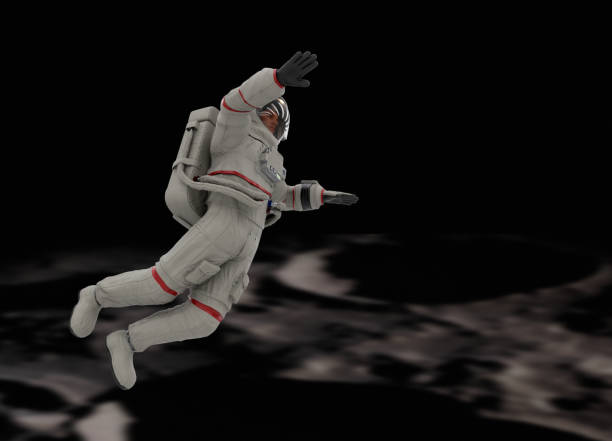
The classic NASA astronaut training pipeline is a multi-year slog. Candidates learn orbital mechanics, spacecraft systems, spacewalk procedures, Russian language, geology, and survival skills. They train in the Neutral Buoyancy Lab, fly parabolic arcs, and spend hundreds of hours in simulators. This makes sense for a professional who might spend six months on the International Space Station conducting experiments requiring surgical precision. But a private astronaut flying a three-day mission on a Crew Dragon or a New Shepard suborbital hop does not need that depth. They need speed and safety, not scholarly mastery.
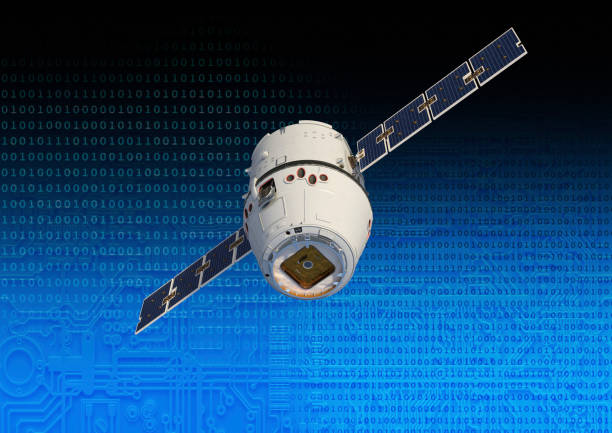
SpaceX, Blue Origin, and Virgin Galactic have all converged on a leaner model. For a typical Dragon mission to orbit, training runs about four to six months. That sounds short until you realize these trainees are eating, sleeping, and breathing procedures for emergency scenarios, suit donning, manual abort systems (dragon has a touchscreen override), and cabin pressure checks. They train in high-fidelity mockups, not the pool. They run through nominal and off-nominal launch profiles until muscle memory kicks in. There is no time for geology field trips. They do not learn how to fix a toilet mid-flight because ground control can talk them through it, and the mission is short enough that a broken toilet means early return, not a crisis.
The biggest difference is physical conditioning. NASA astronauts maintain peak fitness year-round because they may need to perform a strenuous spacewalk or endure months of bone density loss. Private astronauts face a much lower physical bar. SpaceX requires a doctor’s sign-off and a tilt-table test—the “chair test” that checks if you might faint under g-forces. Blue Origin’s New Shepard passengers complete a brief centrifuge ride to confirm they can withstand 3Gs on ascent and 5Gs on reentry. That’s it. You do not need to run a marathon. You need to not panic when the rocket shakes.
This changes the demographic. A fit 25-year-old with no chronic health issues can likely qualify. So can a 70-year-old with good cardiovascular numbers. The barrier is less about peak human performance and more about psychological stability. Private training emphasizes emergency drills—fire, rapid depressurization, abort scenarios—not because they expect trouble, but because the biggest risk in a commercial flight is a passenger freezing under pressure. The training is designed to replace fear with procedure. You learn to reach for your oxygen mask without thinking, same way you reach for a seatbelt in a car.
There is a trade-off. Private astronauts do not train for unplanned orbital maneuvers or medical emergencies beyond basic first aid. They rely on a professional commander on Crew Dragon or on automated abort sequences on New Shepard. This is not a weakness if you accept the premise: these missions are short, pre-planned, and supported by a massive ground team. The pilot is not a generalist; they are a specialist in emergency response only. Everything else is handled by automation.
For the guy reading this in his apartment, wondering if he could qualify before thirty, the math is encouraging. The training cost is built into your ticket price, not your physique. You do not need to be a test pilot. You need to show up, pay attention, and not be a jackass. Companies want repeat customers, not heroes. They design training to minimize risk, not maximize glory.
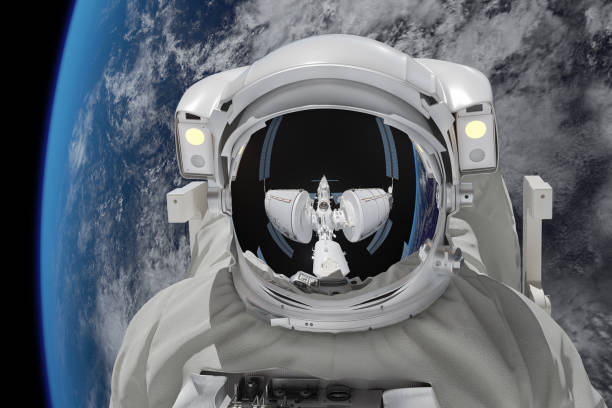
The real takeaway is that private astronaut training is not a watered-down version of the real thing. It is a different product for a different purpose. Professional astronauts train to live in space for months. Private astronauts train to survive space for days. Both are valid. But if your goal is to see the curve of the Earth from a cupola, feel weightlessness, and come home in time for a beer, the shorter route is exactly what you want.
You do not need to be Buzz Aldrin. You just need to be calm, competent, and willing to follow a checklist. The Commercial Astronaut Era does not demand perfection. It demands presence. And training is how you get there.
Space News
Latest Articles
New rockets, upcoming launches, and the stories shaping humanity's push off this planet. No astronomy degree required.