Valeri Polyakov 437 consecutive days in space
Polyakov wasn’t some test pilot looking for a thrill. He was a doctor—a physician with a specialization in space medicine. His mission was pure science: figure out what happens to the human body when you leave it floating in zero gravity for over a year. The Soviets and later the Russians already knew that microgravity wrecks bones, muscles, and blood volume. But Polyakov’s job was to push the limits and see if humans could physically and mentally endure the journey to Mars. Because a round-trip to the Red Planet takes roughly 500 days. His 437-day stint was the closest simulation Earth had to offer.
The physical toll was brutal. By the time Polyakov landed, he couldn’t stand. He had to be carried out of the Soyuz capsule. His muscles had atrophied significantly, even with daily exercise on a treadmill and resistance bands. His bone density dropped. His heart, accustomed to pumping blood against gravity, got lazy. For weeks after landing, he could barely walk without support. But here’s the kicker: he recovered. Within a few months, his body bounced back. That alone was a victory. It told doctors that the human machine, while fragile, is also damn resilient. You can break it down, but given time and gravity, it can rebuild.
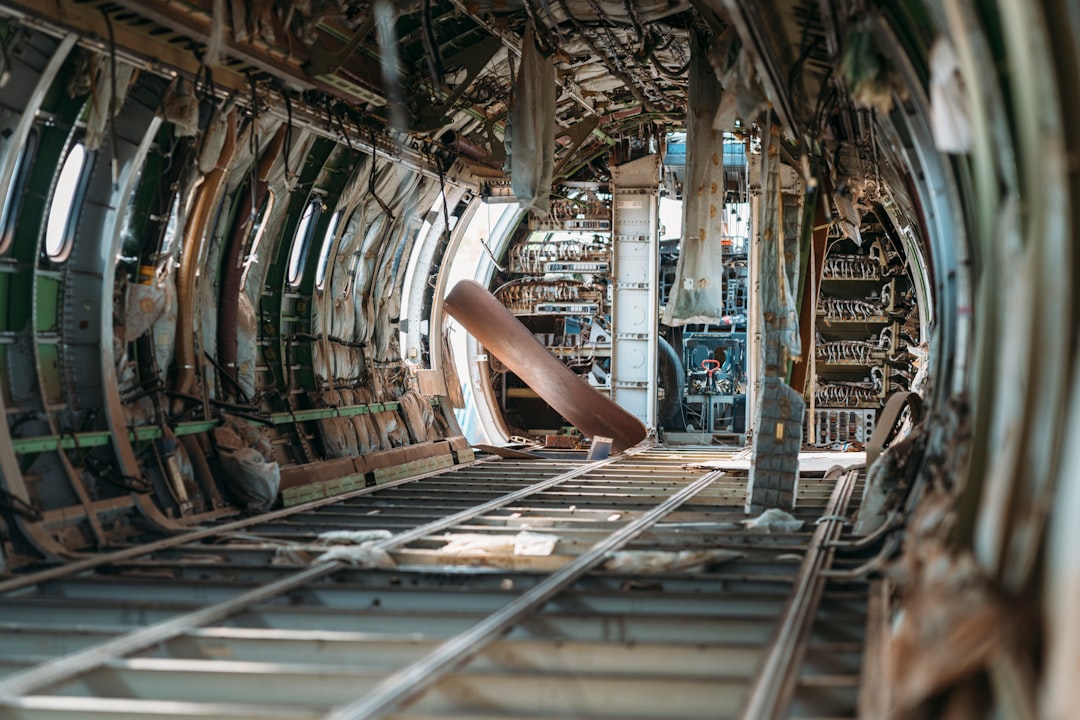
But the bigger story isn’t the muscle loss. It’s the mind. Polyakov spent 437 days in a space station roughly the size of a Greyhound bus. He lived with a rotating crew of fellow cosmonauts, but for long stretches, he was the only one on board. No windows to see Earth except a few small portholes. No fresh air. No mail delivery. No pizza. Just recycled water, reheated food, and the low hum of life support equipment. And he didn’t crack.
In interviews after his return, Polyakov described the experience with typical Russian stoicism. He said loneliness wasn’t an issue. He had work to do—experiments, station maintenance, exercise, communication with ground control. He read books. He listened to music. He looked out the window. He did his job. That’s it. No dramatic breakdown. No psychotic episodes. No desperate longing for Earth. He just... endured. And when asked if he’d do it again, he reportedly said, “Time flew by so fast, I didn’t even notice.”
That’s the kind of attitude the space program needs. Not weepy sentimentality, but hard-nosed professionalism. Polyakov wasn’t trying to be a hero. He was trying to prove a point: humans can live in space for as long as it takes to get to Mars. And he did. After he landed, NASA and Russian space officials analyzed his psychological data. They found that his mood remained stable throughout the mission. His cognitive performance didn’t degrade. He didn’t develop depression or anxiety. He just got the job done, came home, and let the doctors poke and prod him for another year of post-flight research.
So what does this mean for the future? It means the biggest barrier to deep space travel is not the human mind. It’s engineering. We need better radiation shielding, more reliable life support, and faster propulsion. But the man? He’s ready. Polyakov proved that an ordinary guy with the right training and mindset can survive over a year in a can. If we can get him to Mars, he’ll handle the trip. The next step is building the damn ship.
Cosmonaut life the Russian way isn’t flashy. It’s not about heroics or Instagram-worthy views. It’s about endurance, discipline, and a quiet refusal to quit. Valeri Polyakov embodied that. He didn’t just survive 437 days in space. He showed us that the human spirit—when harnessed to a clear mission and a steady mind—can outlast anything the cosmos throws at it. And for American men in their 20s dreaming of a future among the stars, that’s the kind of lesson worth remembering. The rocket will get you there. But you have to be the payload that lasts.
Space News
Latest Articles
New rockets, upcoming launches, and the stories shaping humanity's push off this planet. No astronomy degree required.