Why Soyuz Still Launches From the Middle of Kazakhstan
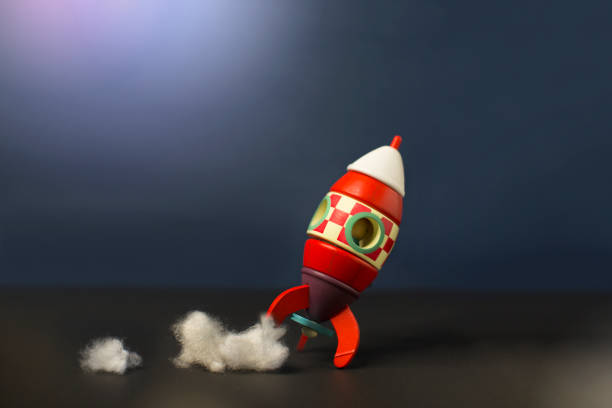
Soyuz is a simple machine by modern standards. It burns kerosene and liquid oxygen. It has four strap-on boosters around a core stage, then a third stage to finish the job. The whole thing stands about 46 meters tall. It does not land. It does not reuse. It just goes up. When you are launching people to the International Space Station, you do not want a science project. You want a diesel truck that starts every time. Soyuz has been that truck for decades, through the Soviet collapse, through NASA’s shuttle retirement, through the rise of SpaceX. It still flies from Baikonur because the pads, the fuel farms, the rail lines, the tracking stations, and the people who know how to run them are already there.
Location matters. Baikonur sits at about 45.9 degrees north latitude. That is not as good as the equator, where Earth’s rotation gives you a free kick. But it is good enough for the space station’s orbit. More importantly, the steppe is empty. When Soyuz goes up, spent stages and any debris fall into isolated land or ocean. Launch corridors are chosen to avoid China and populated areas. If something goes wrong, you are not dropping a booster on a suburb. The Soviets wanted distance, secrecy, and room to fail. Baikonur gave them all three.
The steppe itself is brutal. Winters hit minus 40. Summers bake past 100. Wind kicks up dust and snow. Soyuz is delivered to the pad horizontally on a rail car, then raised vertical. The pad is not sleek. It is concrete, steel, and flame trenches. Fuel lines connect. Liquid oxygen vents. Ground crews in heavy jackets or sun-beaten coveralls run the checks. For a crewed launch, the Soyuz spacecraft sits on top with a launch escape tower. If the rocket blows up on the pad, that tower yanks the capsule away. It is a violent, crude system, but it works.
Launch day at Baikonur has a rhythm. The crew walks out, waves, gets on a bus, rides to the pad. They take an elevator up, crawl into the capsule, and strap in. Outside, the countdown moves. Hold-down clamps release. The boosters light. Soyuz climbs out over the steppe. Four boosters fall away. The core stage drops. The third stage pushes the capsule to orbital velocity. A few hours later, it catches up to the station. For cargo, a Progress ship does the same thing without people. The whole sequence is so routine that it can look boring.
Russia has a newer launch site, Vostochny, in the Far East. It wants to move launches there. But Baikonur still has the crewed Soyuz pads and the deep infrastructure. NASA still uses Soyuz for crew swaps, even with Crew Dragon flying. The politics are messy. The lease is expensive. Kazakhstan and Russia argue about money and control. None of that changes the physics or the concrete. Soyuz is certified. Baikonur is ready. Moving a human launch program is not like moving an office. You cannot just pack the flame trench.
So Soyuz keeps launching from the middle of Kazakhstan. It is not flashy. It does not land on a droneship or return to a landing zone. It just stacks, fuels, and flies. The steppe is harsh and empty, which is exactly what you want under a rocket. Baikonur is old, but old does not mean obsolete. For crewed spaceflight, it is still a working machine. As long as Soyuz flies, that flat, dusty corner of the world will stay on the map. The future of space travel may be built in Texas or Florida or China, but the present still runs through Baikonur.
Space News
Latest Articles
New rockets, upcoming launches, and the stories shaping humanity's push off this planet. No astronomy degree required.