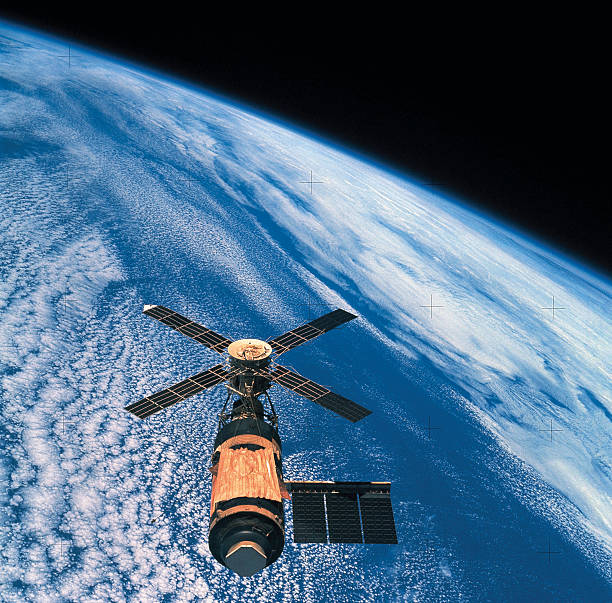
Dune stillsuits and the water recycling function
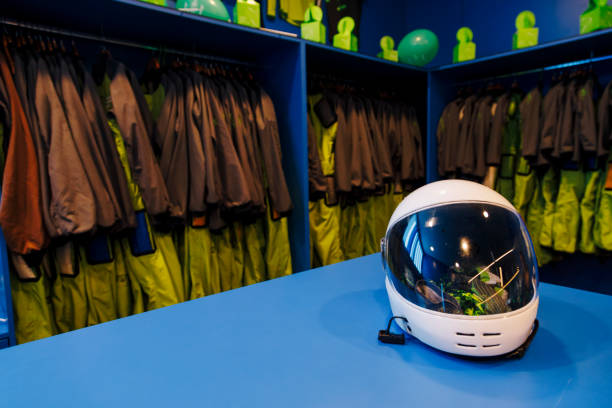
The core function is simple physics. The human body is about sixty percent water. On a normal day, you lose two to three liters through respiration, perspiration, and waste. In a vacuum or on a low-atmosphere world like Mars, that moisture doesn’t just evaporate into the air—it escapes your suit as vapor and is gone. That’s a critical resource lost. Herbert’s genius was designing a suit that treats the human body as a closed-loop system. The stillsuit’s layers absorb sweat through capillary action. A face mask captures exhaled moisture. A “reclaimed” tube routes filtered liquid from your body’s waste systems. All of this is pumped through a micro-filtration unit, often powered by your own movement, and returned to a drinking tube near your mouth. The suit basically turns your own biology into a self-sustaining canteen.
Why should a casual space enthusiast care? Because NASA and private companies like SpaceX are already grappling with the same problem. On the International Space Station, astronauts currently rely on a bulky, fixed water recovery system that processes urine and condensation through distillation and chemical treatment. It works, but it’s heavy, power-hungry, and requires regular maintenance. For long-duration missions to Mars or a permanent lunar base, you cannot afford that kind of overhead. Every kilogram of hardware sent from Earth costs tens of thousands of dollars. A stillsuit-like garment that integrates water recycling directly into the wearer’s daily gear would slash that mass. You wouldn’t need a separate water purification unit. You’d wear your water supply.
There is already real-world research backing this concept. In 2021, a team from Cornell University developed a prototype “stillsuit” filtration system using forward osmosis—a process that pulls water from urine and sweat without external energy. Their design uses a salt-based chemical draw solution to extract pure water, mimicking the fictional suit’s efficiency. The team claimed their system could recover ninety-eight percent of water from a human. That’s dead in line with Herbert’s numbers. The Army is also interested, because infantrymen in dry environments face the same losses. The gear is shifting from fiction to lab bench faster than most people realize.
The design influence on modern space suits is already visible. Current extravehicular mobility units (EMUs) used on the ISS include a diaper-like urine collection system, but it’s a disposable bag. There is no recycling. The next generation suits, like those being developed for NASA’s Artemis moon missions, are exploring integrated waste management loops. Engineers are studying the stillsuit’s layered fabric approach as a way to embed micro-channels for fluid transport directly into the suit’s inner lining. Instead of a bulky external filter, the suit itself becomes the filter. That’s the same design philosophy Herbert used in 1965: make the gear do the work, not the user.
Of course, there are limits. A real stillsuit would require a power source for pumps and filtration membranes. Herbert sidestepped that with “body heat differentials” and “movement pressure.” Real engineers are looking at piezoelectric materials—fabrics that generate electricity when flexed—to run small pumps. It’s not magic, but it’s plausible. The bigger hurdle is comfort. Wearing a sealed recycling suit for days or weeks would cause chafing, skin irritation, and psychological strain. The Fremen in Dune are conditioned from birth. A modern astronaut would need gradual acclimation. But the trade-off is worth it: extended free-range mobility on a planet’s surface without returning to a base to refill water.
For casual space fans, the stillsuit represents a shift in how we think about survival gear. It’s not just about protecting against the environment—it’s about harvesting the environment from within yourself. The suit makes you the resource. That’s the kind of thinking that will define the next century of space travel. As we push toward Mars settlement and asteroid mining, every ounce of water will be budgeted like fuel. The stillsuit, once a prop in a novel, is now a blueprint. If you’re following the future of space suits, don’t look at the shiny outer shells. Look at the lining. That’s where the real engineering lives.
Space News
Latest Articles
New rockets, upcoming launches, and the stories shaping humanity's push off this planet. No astronomy degree required.