Fishing kit and the water landing scenario
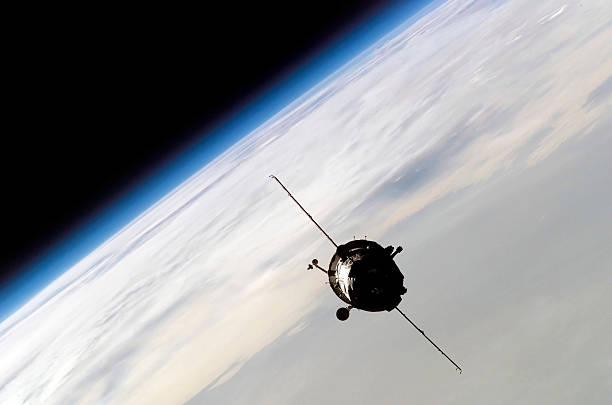
The Soyuz reentry capsule is a blunt-nosed bell that splashes down on land via retro-rockets and a main parachute. But wind drift, guidance errors, or a partial parachute failure can push the capsule into a river, lake, or even the Caspian Sea. The contingency plans are real, and they’re cold. Do a quick search for “Soyuz water landing survival training” and you’ll find video of cosmonauts in Black Sea simulators, struggling to deploy emergency flotation bags in four-foot swells. It’s not a beach party. After ejection from the capsule—if the hatch isn’t already underwater—the crew could face hours or days bobbing in a partially flooded, cold environment before rescue. That watering can be fresh, brackish, or salt, but one thing is constant: you need a food source that doesn’t weigh much and doesn’t require cooking fuel you don’t have.
The fishing kit in the standard Soyuz survival pack (NAZ, or “Emergency Stowage Kit”) is a compact, rugged bundle that fits inside a sealed metal canister about the size of a quart-sized oil can. It includes monofilament line rated for 20 to 30 pounds tensile strength—surprisingly heavy for a survival rig. Why? Because any line you trust to land a two-pound fish in open water also needs to handle hangups, snags, or even improvised use for securing gear. The hooks are oversized, chemically sharpened steel, not the fragile tiny things you use for panfish. There are no lures. It’s all bait-holder hooks, split shot weights, and a few small swivels. The design philosophy is “keep it simple so it works when your hands are shaking from cold.” There are also spare snare wires and a small folding knife, but the fishing elements are distinctly different from what you’d pack for land survival.
Now, contrast this with the water landing kit packed for commercial spacecraft like SpaceX’s Crew Dragon. Dragon is designed to splash down in the Atlantic or the Gulf of Mexico, so its survival gear leans harder into signaling, flotation, and short-term water resistance. The Dragon survival pack includes fishing gear, but it’s even more minimalist—often a small plastic spool of line, a few pre-tied leader sections with hooks, and a compact multi-tool. The reasoning is different. Dragon’s rescue timeline is measured in hours, not days. The Coast Guard or SpaceX recovery teams are typically on scene within two to three hours of splashdown. The fishing kit is there for a true worst-case scenario if communications fail and the capsule drifts for two or three days into shipping lanes or coastal waters. It’s a backup to a backup, and it shows.
The essential takeaway for any American guy interested in survival gear from space: the fishing kit is not about catching trophy fish. It’s about catching enough calories to stay alive through hypothermia risk and dehydration. In a water landing scenario, your biggest enemy is cold water shock and the inability to maintain core temperature. Eating fish gives you protein and fat—two things your body burns fast when shivering. The Soyuz kit emphasizes larger hooks and heavier line because European and Asian inland waters often contain pike, perch, or carp that hit hard and fight. You cannot land a ten-pound pike on a four-pound test line in a life raft without losing the fish and breaking your only rig. The Russians learned this from decades of forced landings in Siberia where water wasn’t even the objective—you just didn’t want to end up eating bugs.
Also worth noting: the fishing kit does not come with a rod. You use the survival kit’s nylon cord to lash hooks to a paddle, a piece of wreckage, or even your own boot lace. The concept is pure utility. If you’re bobbing in a raft with cold water up to your waist, you won’t be fly fishing. You’ll be dangling a baited hook below the raft and hoping for a strike. The Soyuz kit assumes you will catch something small enough to swallow, but big enough to justify the effort. It’s lean, mean, and brutally effective.
So next time you look at photos of a Soyuz landing in the Kazakh steppe and wonder what’s inside those aluminum cases the recovery team hauls out, remember the fishing kit. It’s a piece of gear that says: we know you might not land on dirt. We’ve seen the failure modes. And we’d rather you eat bass than freeze.
Space News
Latest Articles
New rockets, upcoming launches, and the stories shaping humanity's push off this planet. No astronomy degree required.