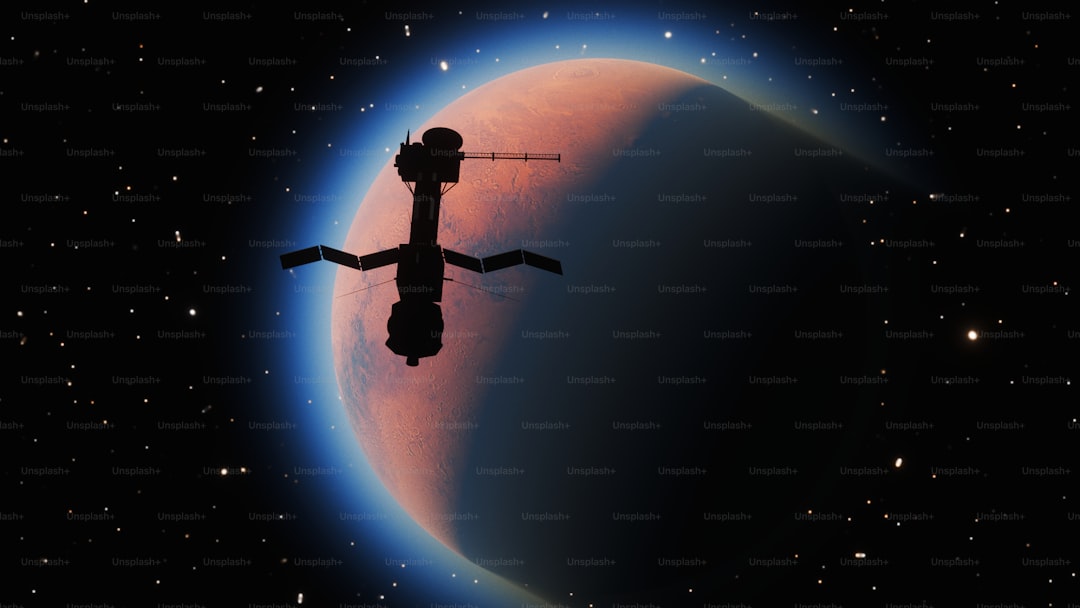
Learning from failure and the engineering debt

Engineering debt is a term borrowed from software development, but it translates perfectly to aerospace. When you build a rocket or a lander on a tight budget, under political pressure, or with inadequate testing, you take shortcuts. Those shortcuts are loans against future reliability. You borrow from the mission’s safety margin today, hoping you can pay it back during flight. Sometimes you can. Often you cannot. The Mars Climate Orbiter in 1999 is the textbook case. NASA teams used imperial units for thruster data while the navigation team assumed metric. That mismatch was a piece of debt nobody tracked. The spacecraft burned up in the Martian atmosphere because the invoice came due at the worst possible moment.
But here is the part that matters for the future of space travel: that failure changed everything. After the Orbiter disintegrated, NASA forced a complete audit of unit conversions, communication protocols, and review procedures across every project. The engineering debt from that mission was paid forward into the Mars Reconnaissance Orbiter, which still orbits Mars today, and the Curiosity rover, which landed with insane precision. The failure was expensive in money, but cheap in lessons. A successful mission would have hidden the sloppy habits. The fail forced a fix.
The same logic applies to SpaceX’s early Falcon 1 launches. Three failures in a row, each one a textbook accumulation of design debt. The first launch failed because a fuel line corroded. The second because a hard start in the engine twisted the nozzle off. The third because residual fuel sloshed and caused a collision. None of those issues were mysteries—they were known risks that the team chose not to fully address because they were racing for a first orbital attempt. That was a deliberate debt. The fourth launch worked, and the Falcon 9 that followed was one of the most reliable rockets ever built. The company learned exactly how much margin it could borrow and where the limits were.
Engineering debt is not just about mistakes in hardware. It includes schedule debt, testing debt, and even political debt. The Space Shuttle program was a masterpiece of deferred maintenance. The decision to fly without a full escape system, the acceptance of foam shedding as “normal,” the gradual erosion of safety culture—all of that was debt that finally came due on the morning of February 1, 2003. The Columbia disaster was not a single failure. It was the day the bank called a loan that had been refinanced for twenty years.
What does this mean for you as a fan watching the next Artemis launch or Starship test flight? It means every explosion you see is a piece of debt getting cleared off the books. It means the engineers who design those rockets are not idiots. They are playing a game of risk accounting, and they know that no amount of simulation replaces a real fireball. Fail that teaches is a good failure. The engineering debt model tells us that the only truly bad failure is one that repeats a mistake someone else already made. If the same bolt shears on three different rockets, that is waste. If a new type of engine blows up because the software sloshed propellant the wrong way, that is tuition.
The most important mission that failed but still matters is the Apollo 1 fire. Three astronauts died in a ground test because the interior of the capsule was built with flammable materials and a pure oxygen atmosphere. The hatch could not open fast enough. After that, NASA redesigned the entire command module. They switched to a nitrogen-oxygen mix for ground tests. They put in quick-release hatches. They rewrote every wiring standard. That fire cost lives, but it also made Apollo 8 and 11 possible. Without the engineering debt from that tragedy, the Moon landing would have been a suicide mission.
So when you read about a Mars lander that crashed or a rocket that RUDed on the pad, do not write it off as a waste of taxpayer cash. Think of it as an investment in future reliability. Every failed mission is a proof of what does not work, and in an environment where one wrong valve can kill a crew, that knowledge is worth more than a smooth press release. The engineers do not forget. They carry the debt forward and build the next machine stronger. That is why the failed missions still matter. They are the receipts for the lessons we paid for in full.
Space News
Latest Articles
New rockets, upcoming launches, and the stories shaping humanity's push off this planet. No astronomy degree required.