Mahia Peninsula remote launch beauty
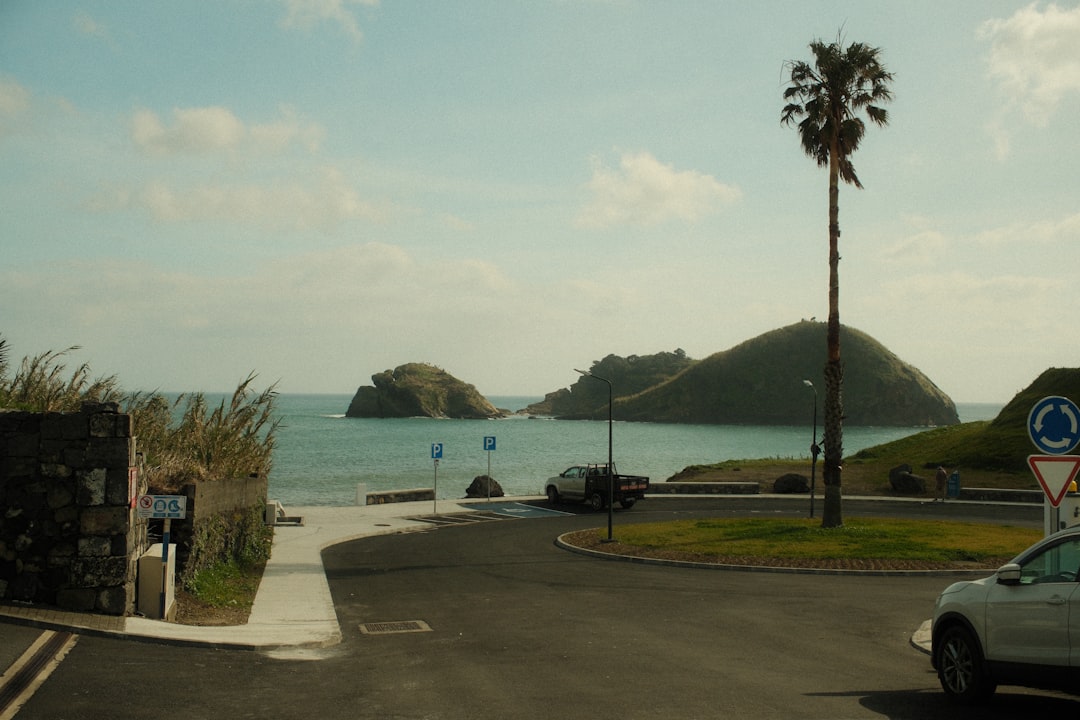
Mahia Peninsula juts out into the South Pacific Ocean on the east coast of New Zealand’s North Island. It’s remote. Really remote. The nearest city of any size, Gisborne, is about an hour’s drive north, and it’s not exactly a booming metropolis. The population of the entire peninsula is around a thousand people. There are beaches, rolling green hills, and a hell of a lot of wind. But that isolation is exactly what makes it perfect for launching small rockets. When Rocket Lab fires off an Electron booster—a 59-foot-tall carbon-composite rocket designed to haul small satellites to low Earth orbit—there’s no one around to complain about noise, safety zones, or debris. The ocean provides a huge, empty downrange safety corridor. No coastal towns, no air traffic conflicts, no regulatory headaches. You can launch south, east, or even southeast without worrying about dropping a stage on a suburb.
The geography also gives Mahia a launch frequency advantage that most American sites can’t match. Cape Canaveral and Vandenberg are booked solid with government missions, heavy-lift Atlas V launches from ULA, SpaceX Falcon 9s, and national security payloads. Even with new launch pads coming online, the Eastern Range can get bottlenecked. Mahia is dedicated almost entirely to Rocket Lab. The company operates its own range control, its own weather monitoring, and its own telemetry. There’s no competing with the Air Force for a launch window. If the weather is good and the satellite is ready, they launch. When Rocket Lab started pushing for weekly launches in 2023 and 2024, Mahia made that feasible because the site wasn’t shared with a dozen other customers. It’s a private playground, and that simplicity cuts launch turnaround time dramatically.
The launch complex itself is a machine-built-for-purpose. It’s called Launch Complex 1, and it’s the only private launch site in the Southern Hemisphere that regularly sends payloads to orbit. The pad is a concrete slab with two large buildings nearby: a vehicle integration hangar and a payload processing facility. The Electron rocket rolls out horizontally on a transporter, gets tilted vertical by a hydraulic erector, and fuels up with kerosene and liquid oxygen. No massive gantry towers. No flame trenches fifteen stories deep. It’s lean, it works, and it was built in less than three years from dirt to first orbital launch in 2018. That kind of speed is unheard of in the traditional aerospace industry, which often takes a decade to spin up a new pad.
But the beauty of Mahia isn’t just operational efficiency. It’s also about the local relationship. Rocket Lab didn’t just land in New Zealand and bulldoze everything. The company worked with local Māori iwi, who are the indigenous tribal authorities, to secure land access and conduct environmental impact assessments. The peninsula is sacred in places, and the company has to respect cultural protocols, including not launching during certain times of the year or when significant events occur. That’s a unique constraint you don’t get at Cape Canaveral, but it also builds a level of community buy-in that means locals actually support the launches. When an Electron goes up, people on the peninsula know about it. Some even watch from their backyards or the beach. There are no closed-off spectator viewing areas with VIP tents. It’s casual, it’s kiwi, and it works.
The downside? Weather. Mahia is exposed to the Pacific, and strong winds can scrub a launch in a heartbeat. The site averages about 30 to 40 launch windows per year depending on seasonal patterns. That’s not terrible, but it’s not Florida either. Also, logistics. Everything has to be shipped or flown into New Zealand, then trucked down state highways through small towns. There’s no spaceport industrial park with machine shops on site. When you need a spare part, you’re not calling a supplier down the road. You’re waiting for a flight from Auckland.
Still, for the role it plays, Mahia is the best small-satellite launch site in the world right now. It’s clean, it’s fast, and it’s uncluttered by the military-industrial baggage that bogs down American ranges. Rocket Lab didn’t choose New Zealand for the scenery, but the scenery is a hell of a bonus. If you ever get the chance to watch an Electron launch from Mahia—on a clear Southern Hemisphere night, with the rocket climbing into a sky full of unfamiliar stars—you’ll understand why this remote peninsula matters. It’s not just a launch site. It’s a proof of concept. Small rockets, small pads, small teams. And it works.
Space News
Latest Articles
New rockets, upcoming launches, and the stories shaping humanity's push off this planet. No astronomy degree required.