Phosphine detection and the biological debate
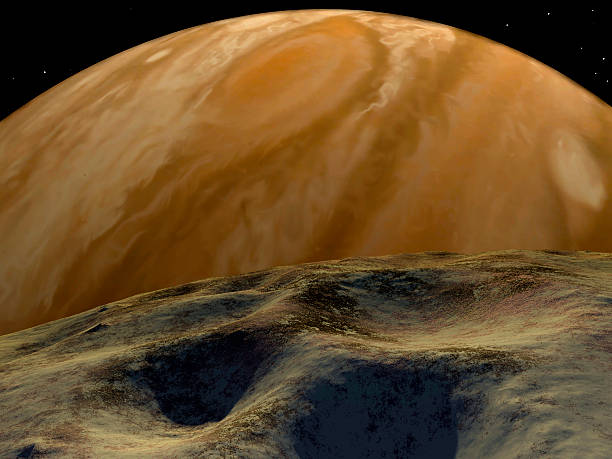
You probably heard the noise back in 2020. A team of astronomers using the James Clerk Maxwell Telescope in Hawaii and the Atacama Large Millimeter Array in Chile reported they had detected phosphine in Venus’s upper cloud deck. The immediate reaction outside the lab was pure clickbait: “Life on Venus?” Inside the lab, it was more like, “Let’s check our math five more times.” Because phosphine on Earth is a gas you don’t want to breathe—it’s toxic, it stinks like rotting fish, and it’s almost always produced by biological processes. Anaerobic bacteria pump it out in swamps, marshes, and the guts of penguins. You don’t find phosphine floating around on dead planets. So when you spot it thirty miles above Venus’s surface, where temperatures are a balmy 80 degrees Fahrenheit and pressures are Earth-like, you have to ask a very uncomfortable question: Is something alive up there?
The debate since then has been a slugfest. Skeptics pointed to sulfur dioxide, volcanic activity, or even lightning as abiotic explanations. They argued the signal was weak. They argued the data processing was questionable. Two years later, a reanalysis using different telescope data claimed the original phosphine detection was a statistical ghost. The case seemed dead. But then, in 2024, another team confirmed the phosphine signal using a completely different instrument on the SOFIA airborne observatory. The whiff was real again. And it still didn’t have a clean geological explanation.
Here’s where the biological debate gets interesting—and why you should care even if you aren’t a biologist. Venus is the forgotten twin because it’s almost the exact same size and mass as Earth. It formed in the same neighborhood, with the same raw ingredients. But something went catastrophically wrong. A runaway greenhouse effect boiled the oceans, turned the atmosphere into a pressure cooker, and wrapped the planet in clouds of sulfuric acid. We assume nothing could survive that. But life is stubborn. On Earth we’ve found extremophiles living in boiling hydrothermal vents, inside Antarctic ice, and in the toxic sludge of copper mines. The upper atmosphere of Venus is the most Earth-like environment in the solar system outside of Earth itself. The pressure is about half of sea level. The temperature is comfortable. The sulfuric acid clouds might be a problem, but some Earth bacteria can handle pH levels that would melt your skin. If life emerged on Venus before the greenhouse event, it might have followed the same strategy as bacteria on Earth: migrate upward.
That’s the biological argument. The counterargument is that phosphine might still be produced by unknown volcanic chemistry or photochemical reactions. The problem is we’ve run the models. Lightning doesn’t make enough. Volcanoes on Venus should release sulfur dioxide, not phosphine. Meteor impacts are too rare. The only solid, reproducible way to make the detected amount of phosphine is biology. That doesn’t mean it’s life—it means we haven’t found a non-living mechanism that fits the data. That is exactly the kind of gap that science hates, and that speculation loves.
What does this mean for the future of Venus exploration? For decades, NASA and ESA focused on Mars because it looked easier and safer. Venus is a nightmare for hardware. A lander on Venus lasts maybe an hour before its electronics melt and its titanium hull crushes. But the phosphine debate has refocused attention on the cloud layer. The Venus Cloud Layer is a destination now. NASA’s DAVINCI probe, scheduled to launch in the early 2030s, will drop through the atmosphere and sniff the gasses directly. The European Venus Orbiter will map the clouds at higher resolution. Private companies have floated ideas for floating balloons or cloud cities—because if there’s any chance of finding something alive, that’s where you look. And let’s be honest: discovering even a single microbe floating in a sulfuric acid cloud would be the biggest event in human history. It would mean life is not a fluke. It would mean the universe is likely teeming with it.
Until we get a probe up there with a mass spectrometer, the phosphine debate is going to stay exactly where it is: a stubborn, unresolved whiff of something that shouldn’t be there. Venus remains the forgotten twin, but not because no one is looking. We’re looking hard. And the most interesting thing about this whole mess is that the answer is almost certainly going to surprise us. Either we find life in the clouds of a dead world, or we discover a new kind of chemistry that doesn’t exist anywhere else in the solar system. Both outcomes rewrite the textbooks. You don’t get that from a rock on Mars.
Space News
Latest Articles
New rockets, upcoming launches, and the stories shaping humanity's push off this planet. No astronomy degree required.