Photographing launches from Bluck's Farm
Bluck’s Farm isn’t a NASA facility. It’s not a press site. It’s a working sheep farm on the Mahia Peninsula in New Zealand, and it happens to sit directly adjacent to Rocket Lab’s Launch Complex 1. For anyone serious about photographing launches—or just wanting an unforgettable experience—this is the holy grail. You can park your car in a paddock, walk a few hundred feet, and watch an Electron rocket lift off from less than a mile away. The sound hits you before the light does. The ground shakes. The sheep scatter. It’s raw, visceral, and completely unlike any launch experience you’ll get in the United States.
Rocket Lab chose this location for a reason. The Mahia Peninsula is sparsely populated, has clear air, and offers unobstructed access to the Pacific Ocean for safe trajectory arcs. The local community, including the Bluck family, has been more than accommodating. Over the years, the farm has become an unofficial viewing site for photographers, locals, and space enthusiasts who want to see what private launch looks like when it’s stripped of bureaucracy. There are no VIP tents here. No credential checks. You just show up, pay a small fee to park on the farm, and find your spot.
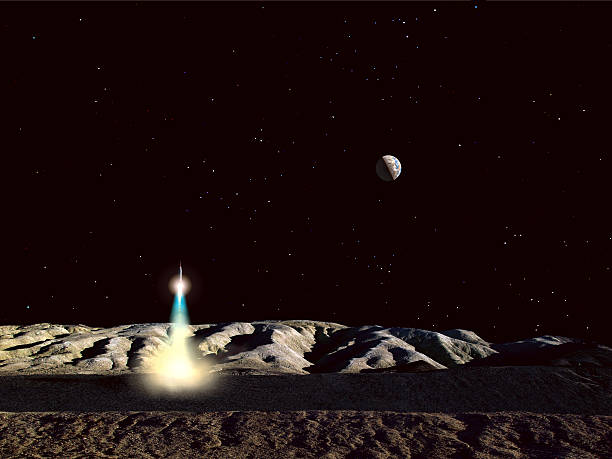
The logistics are simple. Rocket Lab publishes launch windows in advance, typically with a four-hour window. You drive to the farm, park, and hike a short distance to the viewing area. The land is open and rolling, so you have options for foreground composition—long grass, fence lines, the occasional grazing animal. The launch pad itself is visible as a low structure on the edge of the cliff. When the countdown hits zero, the rocket punches through the sky with a bright orange plume that turns white as it climbs. The sound arrives a few seconds later, a deep rumble that builds into a crackling roar. It’s loud enough to feel in your chest.
For photographers, the key advantage is distance. At standard U.S. launch sites, you’re often three to five miles away from the pad, which means you need serious glass to fill the frame. At Bluck’s Farm, you’re under a mile. A 70-200mm lens works fine for the pad itself. A 24-70mm can capture the rocket in the context of the landscape. If you want the full experience, bring a wide-angle and tripod for long exposures during twilight launches. The launch pad is oriented toward the ocean, so morning launches offer clean backdrops. Evening launches produce dramatic silhouettes.
There are trade-offs. The farm is remote. The nearest town of any size is Gisborne, about an hour and a half drive away. Accommodation is limited, so most photographers either camp or book well in advance. Weather on the peninsula can change fast, with coastal fog and wind being common issues. But if you’re making the trip to New Zealand specifically for a launch, you’re already committed. And the payoff is worth it.
Rocket Lab’s launch cadence has increased significantly. They’re flying multiple missions per month, including dedicated payloads for NASA, private satellite operators, and defense customers. That means more opportunities to shoot from the farm. The company has also developed a reputation for transparency and community engagement. They’ve hosted open days and invited local schools. The Bluck family has been a consistent partner, allowing access even as the launch site expanded.
If you’re a casual space enthusiast who’s never photographed a launch before, Bluck’s Farm is a better introduction than any official media event. You get close. You feel the heat. You watch a rocket that was assembled in a hangar three miles away go from ground to space in under ten minutes. And when it’s over, you help a farmer herd his sheep back into the paddock. That’s not something you get at Cape Canaveral.
The future of space travel isn’t just about bigger rockets and Mars missions. It’s about access. It’s about places like Bluck’s Farm, where the line between spectator and participant blurs. Rocket Lab is building a second launch complex in Virginia for U.S.-based launches, but the New Zealand site remains their original, scrappy home. If you want to see where the next generation of small satellite access comes from, and you want to photograph it without a press pass, this is the spot. Pack light. Bring a good lens. And don’t wear white shoes.
Space News
Latest Articles
New rockets, upcoming launches, and the stories shaping humanity's push off this planet. No astronomy degree required.