Radiation and the germ cell mutation risk
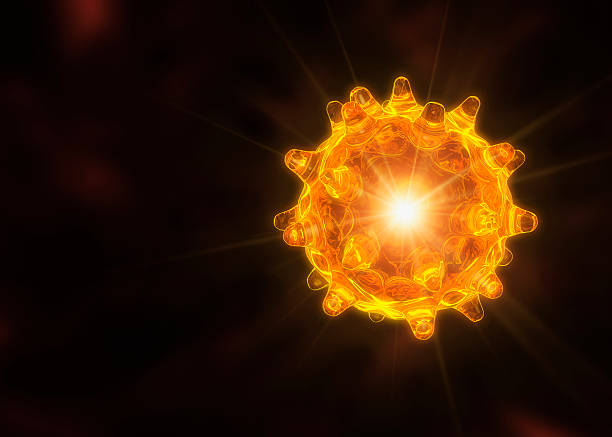
When we talk about building a future beyond Earth, we usually focus on engines, habitats, and life support. But there’s a biological bottleneck that engineers can’t bolt their way out of: germ cell mutation. Your germ cells are the sperm and eggs that carry your genetic code to the next generation. In space, those cells get cooked by high-energy particles that don’t exist on Earth’s surface. The result is a mutation risk that could make having healthy children in space a gamble with terrible odds.
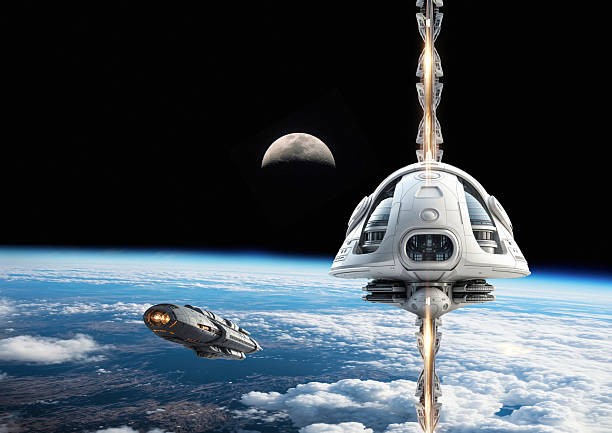
Here’s the physics. On Earth, you’re protected by a thick atmosphere and a magnetic field that deflects most cosmic radiation. The International Space Station orbits inside that magnetic bubble, so astronauts get about the same annual radiation dose as a nuclear power plant worker. Manageable. But once you leave that bubble—heading to the Moon, Mars, or a deep-space station—you’re exposed to galactic cosmic rays. These are heavy, fast-moving ions that rip through living tissue like bullets. They don’t just damage DNA; they shatter it. One single particle can cause multiple double-strand breaks in a chromosome. For a germ cell, that’s a catastrophe.
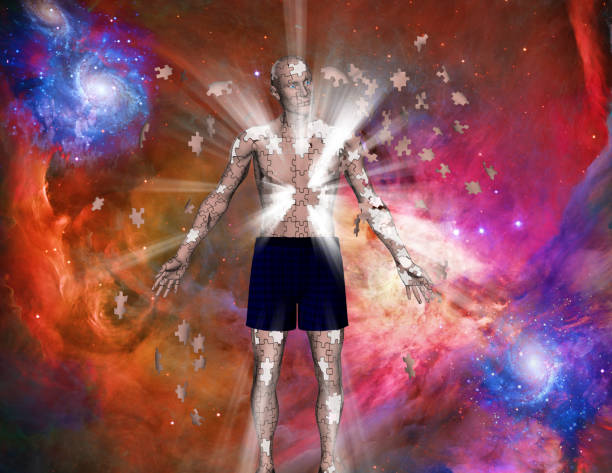
Sperm cells are especially vulnerable because they’re constantly dividing. A dividing cell is a fragile cell. A spermatogonium, the stem cell that makes sperm, divides every sixteen days or so. Every division is a chance for radiation damage to become a permanent mutation. And unlike your skin cells or liver cells, which can be replaced, your germ cells are the only cells that pass your genes to your kids. If they mutate, the errors get baked into the embryo.
The data we have comes from animal studies and a few desperate human cases. Mice sent into space show elevated sperm DNA fragmentation and higher rates of embryonic death. Male astronauts who spend six months on the ISS show increased rates of chromosomal abnormalities in their sperm, but those men were still inside Earth’s protective field. For a Mars mission, which would take nine months each way plus a surface stay, the radiation dose would be roughly ten times higher. No one has tested what that does to human sperm, because we haven’t been dumb enough to send a reproductive-age man on a three-year deep-space trip without shielding that doesn’t exist yet.
The female side isn’t off the hook either. Oocytes (egg cells) are formed before birth and sit in a dormant state in the ovaries for decades. They don’t divide, but they accumulate radiation damage over time. A galactic cosmic ray hit on a stored egg can cause mutations that show up as birth defects or miscarriage years later. Unlike sperm, which turn over every couple of months, a damaged egg is a damaged egg for life.
So what do we do about it? The short answer is better shielding, but that’s harder than it sounds. Water and polyethylene block some radiation, but you need meters of it to stop galactic cosmic rays. That mass costs fuel. Active shielding, like magnetic fields generated by a spacecraft, is theoretically possible but requires enormous power. There is no magic bullet.
The practical takeaway for a guy in his twenties who dreams of raising a family on Mars is this: you might have to freeze your sperm before you go. Cryopreservation on Earth, inside a magnetic field, keeps your germ cells safe from cosmic radiation. Then, when you’re ready to conceive on the red planet, you thaw the stored cells and use artificial fertilization. It’s not romantic, but it beats gambling with your kid’s genome. Some researchers are working on radiation-hardened gene therapies that could repair germ cell damage in real time, but that tech is a decade or more out.
The bottom line is that human reproduction beyond Earth isn’t a plumbing problem. It’s a genetic one. The radiation environment of deep space will mutate your germ cells at rates that make natural conception a high-risk lottery. If we want to build a permanent presence off-world, we have to accept that the first generation born in space will likely be conceived from stored, shielded cells, not from a spontaneous zero-gravity hookup. That’s not a killjoy warning. It’s a survival requirement.
Space News
Latest Articles
New rockets, upcoming launches, and the stories shaping humanity's push off this planet. No astronomy degree required.