The camera bracket and the helmet mount
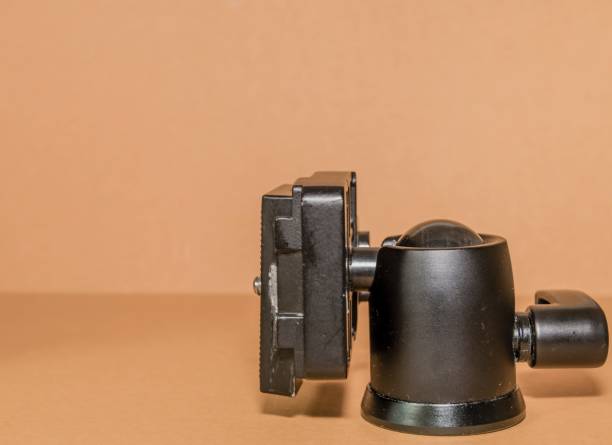
Let us start with the camera bracket. This is a rigid, often aluminum or machined steel frame that bolts directly to the camera body via the tripod socket. It provides a stable platform for attaching other hardware such as a monitor, a wireless transmitter, or a counterweight. In a space photography kit, the bracket does something more important than just holding stuff: it gives you leverage. Without a bracket, your camera body has one tiny ¼-20 threaded hole. That hole is not designed to handle the torque of a helmet mount plus a heavy lens plus the inertia of a sudden head turn. A good bracket spreads the load across the base of the camera, preventing the tripod socket from stripping out. You only get one chance to realize you needed this. If you strip that socket in a pressurized suit, you are not fixing it until you are back on Earth. The bracket also gives you a flat, stable surface to Velcro a small Arri locating pin plate, which keeps your camera from rotating on the mount. Rotation in space is death to composition. Do not skip the bracket.
Now the helmet mount. This is the piece that attaches to your suit helmet, usually via a proprietary rail system like those found on commercial EVA helmets or even high-altitude pressure suits. A helmet mount is not a GoPro stick. It is a short, heavy-duty arm with a locking ball joint or a geared head that holds your camera rigidly to your line of sight. The critical factor here is vibration damping. A spacesuit helmet is not a solid block. It flexes slightly when you turn your head, and that flex translates directly into micro-jitter on your footage. A cheap helmet mount with plastic joints will amplify that jitter into unusable footage. You want one with a sealed, grease-packed ball joint or a worm-drive gear. You also want the mount to have a quick-release plate that matches your bracket. That means the same Arca-Swiss or Manfrotto RC2 plate that lives on your bracket should snap straight into the helmet mount without fumbling. In zero-G, fumbling is how you lose a camera. The mount must also place the camera weight as close to your helmet’s center of gravity as possible. If the camera sits too far forward, it will strain your neck muscles in long-duration shoots and cause fatigue that ruins your concentration.
Do not assume that one mount fits all helmets. Commercial spaceflight providers like SpaceX and Blue Origin use different helmet interface patterns. You may need an adapter block that replaces the standard visor clip. Buy the adapter before you fly, test it at home with the exact helmet you will wear, and torque every screw to spec. Loose hardware in a pressurized cabin is a hazard. The bracket and the mount work as a system. The bracket stiffens the camera. The mount stiffens the connection to your body. Together, they turn your head into a stabilized gimbal. Without them, you are just a guy floating in a can, wasting film.
For the SpacePilgrim.com reader who is building a camera kit for an upcoming flight or even just training for a suborbital hop, put genuine thought into the weight of that assembly. A full-frame mirrorless body with a 24-70 f/2.8 lens, a heavy-duty bracket, and a metal helmet mount will weigh several pounds. That load will sit on your helmet for hours. Do a neck-strengthening routine for a few weeks before launch. Also, consider a right-angle adapter for your HDMI or SDI cable so that it does not jut out and snag on suit hoses. Cable management is gear, too.
The final word is compatibility. Your bracket must accept the same quick-release plate as your helmet mount. Your helmet mount must fit your specific helmet rail. Your adapter must clear your visor seal. Test everything in a mockup or a pressurized suit environment on the ground. If it rattles, fix it. If it bends, replace it. There is no hardware store in orbit.
Space News
Latest Articles
New rockets, upcoming launches, and the stories shaping humanity's push off this planet. No astronomy degree required.