Shackleton crater and the peak of eternal light
A Natural Fortress at the Bottom of the Moon
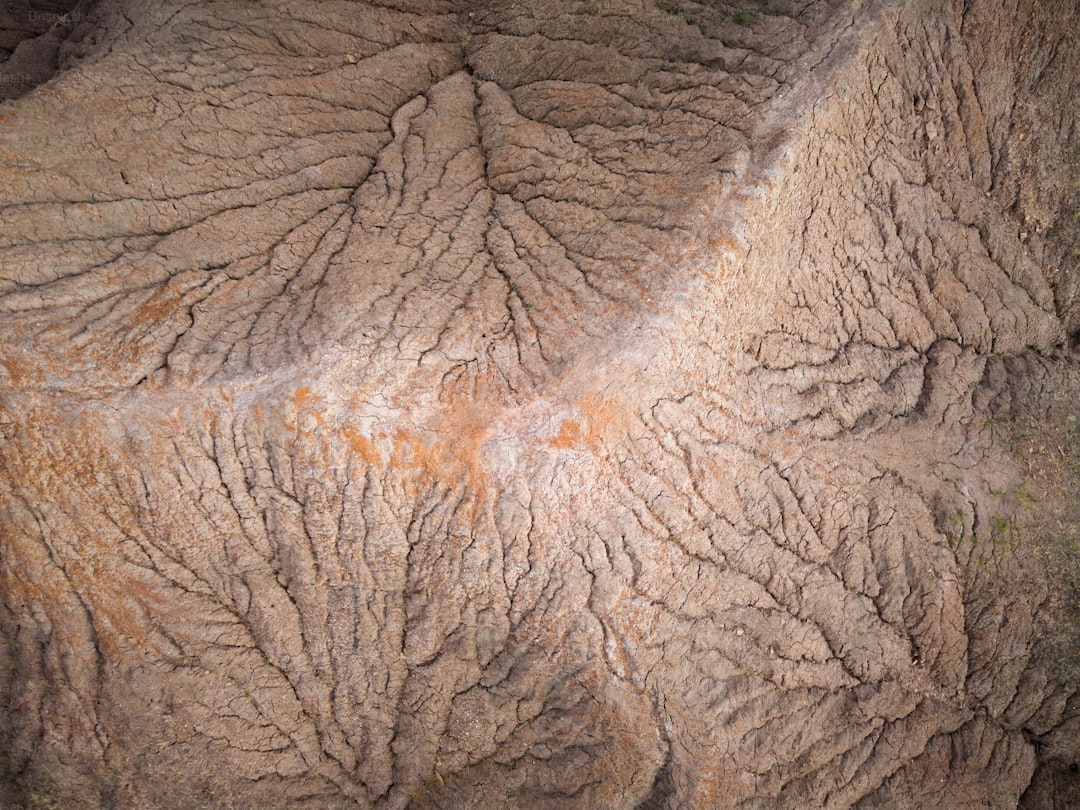
Shackleton Crater is roughly 13 miles wide and over two miles deep. That’s deeper than the Mariana Trench on Earth relative to its width. Its walls are steep, its floor is dark, and it’s positioned exactly at the lunar south pole. For decades, scientists looked at this crater as a geologic curiosity. Now, it’s a destination. The reason is simple: water.
Deep inside Shackleton’s permanently shadowed interior, temperatures never rise above minus 250 degrees Fahrenheit. In that cold trap, ice from comet impacts and solar wind reactions has accumulated over billions of years. Recent data from NASA’s Lunar Reconnaissance Orbiter and India’s Chandrayaan-1 mission confirmed water ice exists in significant quantities. That ice is the key to a permanent base. You split it into hydrogen and oxygen, you get breathing air and rocket fuel. You don’t need to haul water from Earth, which costs thousands of dollars per pound.
And the Peak of Eternal Light? That’s a ridge on the crater’s rim that gets sunlight for over ninety percent of the lunar day. Because the Moon’s axis is almost perfectly perpendicular to the plane of its orbit, the south pole has spots where the sun never truly sets—it just skims the horizon. At Shackleton’s edge, you could park solar panels and get near-constant power. No long nights. No freezing solar arrays. Just steady electricity for life support, communications, and fuel production.
The Return Plans Are Real
This isn’t sci-fi. The Artemis Accords, signed by dozens of nations, specifically target the lunar south pole. NASA’s first crewed landing in decades, Artemis III, is aiming for a site near Shackleton. China and Russia have their own joint plans for a south pole research station. Meanwhile, private companies like SpaceX and Blue Origin are designing landers and habitats that can operate in the extreme cold and constant low-angle sunlight.
Why Shackleton over other craters? Because it’s the best compromise between access to water, sunlight, and relatively flat terrain for landing. The crater’s interior walls are steep, but its rim has gentle slopes. You can land a Starship or a Blue Moon lander near the edge, deploy solar panels on the illuminated ridge, and drill into the shadowed floor for ice. It’s a one-stop lunar base location.
There are challenges. The crater floor is so dark that rovers will need headlights powerful enough to see at night. The temperature swing between the sunlit rim and the shadowed interior is over four hundred degrees. Any habitat has to be buried in regolith for radiation shielding, and equipment must survive dust that’s sharp as glass. But none of these are showstoppers. The Apollo missions used seventies tech and landed six times. Fifty years later, we have robotics, 3D printing, and solar efficiency that would blow their minds.
What It Means for Casual Space Watchers
If you’re tracking this stuff for fun, Shackleton is the place to watch. It’s not just a science target; it’s a real estate development site. The Peak of Eternal Light will likely see the first permanent solar farm off Earth. That ridge might host antennas that relay data back to Earth. And eventually, it could be the staging ground for missions to Mars—refueling tanks with water from the dark crater bottom.
SpacePilgrim readers know the Moon isn’t just a dusty museum. It’s a stepping stone. Shackleton Crater and its eternal ridge give us a blueprint for how to live off another world. No fake colonies. No dome cities with golf carts. Just hard infrastructure: solar panels, ice mines, and habitats dug into the rim. The same kind of engineering that built oil rigs in the North Sea.
The timeline is tight. The first Artemis landing is slated before the end of the decade. By the early 2030s, we could have humans living in short rotations near the Peak of Eternal Light. That’s not speculation. That’s the current schedule from NASA and its partners. For a guy in his twenties, that means your lifetime will see the first permanent human outpost on another world. Not a flag and footprints. A base. Shackleton is the cornerstone.
So keep an eye on that crater. It’s cold, it’s dark, but it’s the most valuable piece of real estate in the solar system. And the Peak of Eternal Light is the window.
Space News
Latest Articles
New rockets, upcoming launches, and the stories shaping humanity's push off this planet. No astronomy degree required.