Valles Marineris the canyon that swallows the US
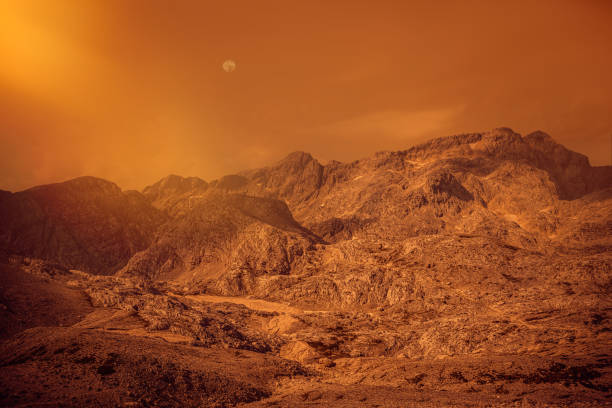
Valles Marineris is not a single crack in the Martian crust. It is a system of interconnected canyons that spans roughly 2,500 miles across the equator of Mars. That is about the width of the entire continental United States. To put that in perspective, if you dropped the Grand Canyon into Valles Marineris, it would look like a side ditch. The main canyon, called Melas Chasma, drops to depths of about 23,000 feet in places, nearly three times the depth of the Grand Canyon. The walls are sheer, layered, and ancient, carved by processes we are still trying to understand. Some scientists think the canyon formed as the Martian crust stretched and collapsed when the Tharsis volcanic region bulged upward billions of years ago. Others believe water and maybe even glacial ice played a role in sculpting these cliffs. Either way, you are looking at a landscape that has no equal in the solar system.
Why should you care? Because Valles Marineris is the kind of destination that makes you rethink what a planet can offer. Right now, it is a cold, dry, radiation-blasted void with an average temperature of around minus 100 degrees Fahrenheit. But if you are following the future of space travel, you know that is exactly the kind of challenge that gets engineers and astronauts excited. Mars does not have breathable air or liquid water on its surface, but Valles Marineris has something better: exposed rock layers that go back nearly four billion years. If we want to understand the history of Mars, including whether it ever supported life, we need to go there. The canyon walls are a natural archive, a stack of pages from the planet’s past that we have only started to read.
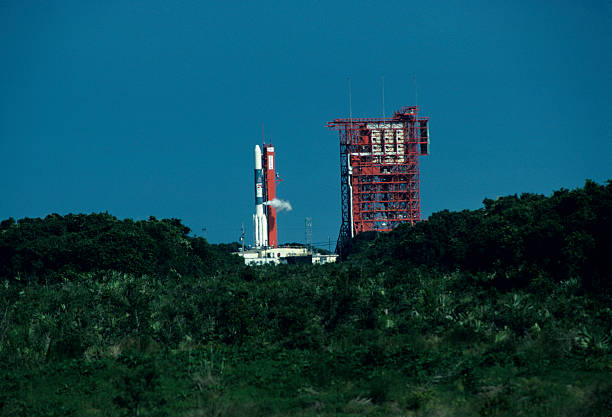
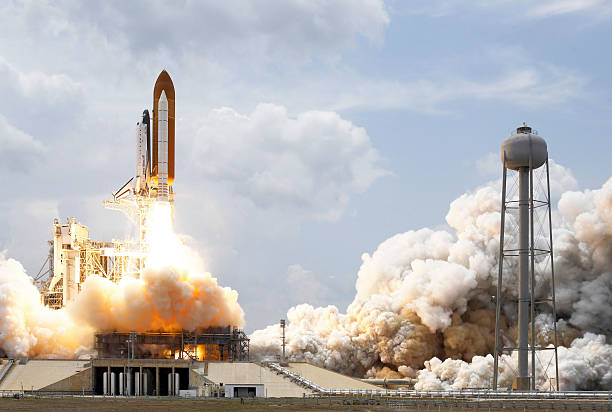
For a man in his twenties today, the timeline is real. SpaceX is already testing Starship, a vehicle that could carry people and cargo to Mars within the next decade. NASA is planning sample return missions. Private companies are sketching out habitats and drilling rigs for Martian soil. Valles Marineris is not just a pretty picture on a NASA website. It is a practical target. The canyon’s lower elevations have slightly higher atmospheric pressure, which means less shielding required against the thin air. The walls themselves could be used to protect habitats from solar radiation, offering natural overhangs and caves. And if there is water ice anywhere in the equatorial region, it is likely trapped in the canyon’s shadowed cliffs. That means fuel, drinking water, and breathable oxygen.
You do not need to be a geologist to appreciate what Valles Marineris offers. Imagine standing on the rim of Coprates Chasma, looking across a gap so wide that the far wall is blurred by distance and dust. The sun sets redder than anything you have ever seen on Earth. Below you, the canyon floor stretches for hundreds of miles, dark and still. No trees, no rivers, no sound. Just rock and sky and the knowledge that you are the first human to see it that way. That is not a science fiction scene. It is a destination that will exist in your lifetime.
There is another reason Valles Marineris matters for the human future. It is a test. If we can establish a foothold in that hostile, beautiful landscape, we can do it anywhere. Mars is not a vacation spot. It is a proving ground. The canyon will force us to solve problems like dust storms, extreme temperature swings, and the psychological strain of living in a place that is not designed for you. But the payoff is worth it. Once we figure out how to survive in Valles Marineris, the rest of the solar system opens up. The moons of Jupiter, the icy plains of Europa, the methane lakes of Titan. They all become achievable.
Right now, Valles Marineris is just a feature on a map, a planetary scar that scientists study from orbit. But maps are just plans for where you have not gone yet. If you are the kind of person who watches rocket launches and reads about Mars missions, keep your eyes on those canyons. They are not just a hole in the ground. They are the front door to the future.
Space News
Latest Articles
New rockets, upcoming launches, and the stories shaping humanity's push off this planet. No astronomy degree required.